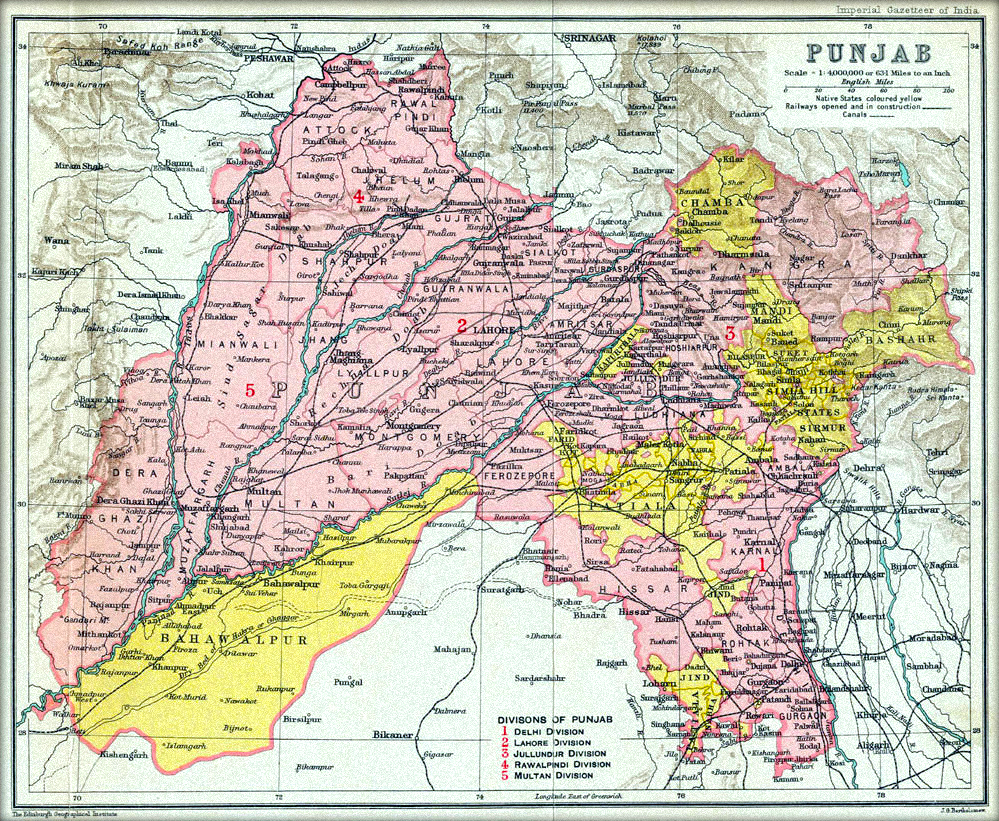
This co-authored publication in Cultural Studies Journal (Bargallie & Hussain 2026) explores how Mirasi genealogical practices in Punjab, Pakistan offer not just ancestral recovery but a decolonial challenge to colonial, archival, and epistemic authority. Drawing on the work of eminent cultural theorist Stuart Hall (1990), particularly his theorisation of cultural identity as rupture, continuity, and becoming, this paper positions genealogical storytelling not as nostalgic retrieval, but as an active practice that contests erasure and reclaims suppressed knowledges. Through the author’s encounter with a Mirasi genealogist who ‘remembers them back,’ the analysis reframes genealogical practice as a form of Indigenous co-theorising, one that unsettles colonial logics, affirms vernacular archives, and disrupts the dominance of state-centered histories. Rather than reading this encounter as diasporic longing or personal recovery, the paper argues that Mirasi genealogical knowledge constitutes a decolonial practice of relational accountability and epistemic resistance. By engaging Stuart Hall alongside Indigenous theorising, the study contributes to broader debates on cultural memory, archival politics, and the politics of knowledge within cultural studies. They Remember Us is a story of return.
Keywords: diaspora, cultural identity, Mirasi knowledge systems, Indigenous research methodologies, vernacular archives, genealogical storywork
See: Full article: They remember us: reclaiming Punjabi ancestry through Mirasi genealogical storywork